

Full-Spectrum vs. Isolate: How to Read a CBD Label Like a Pro
The three terms that decide what you are actually buying are full-spectrum, broad-spectrum, and isolate. Full-spectrum keeps the hemp plant's natural range of compounds, including the trace THC that must stay below 0.3% by dry weight to remain federally legal under the 2018 Farm Bill. Broad-spectrum removes most or all THC while keeping other cannabinoids, and isolate is purified CBD on its own. The "entourage effect" — the idea that these compounds work better together — is a popular theory but is not settled science.
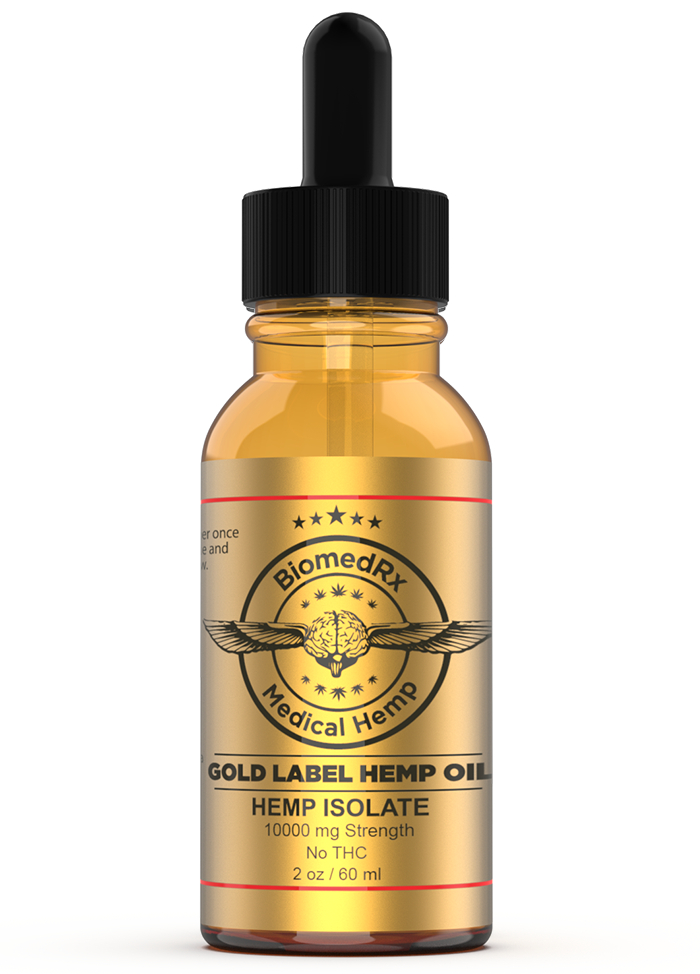
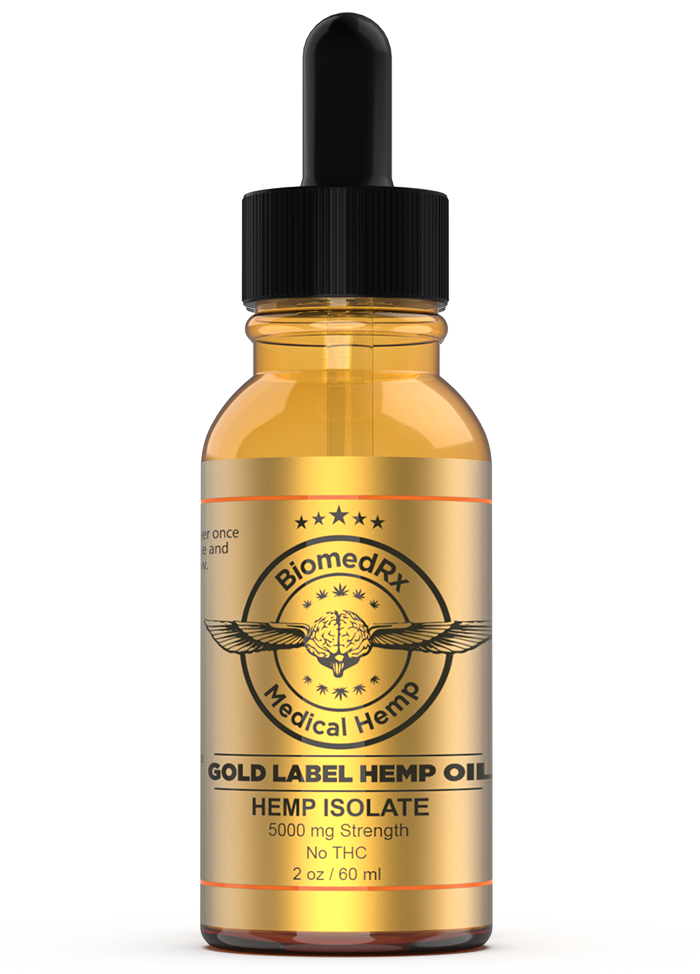
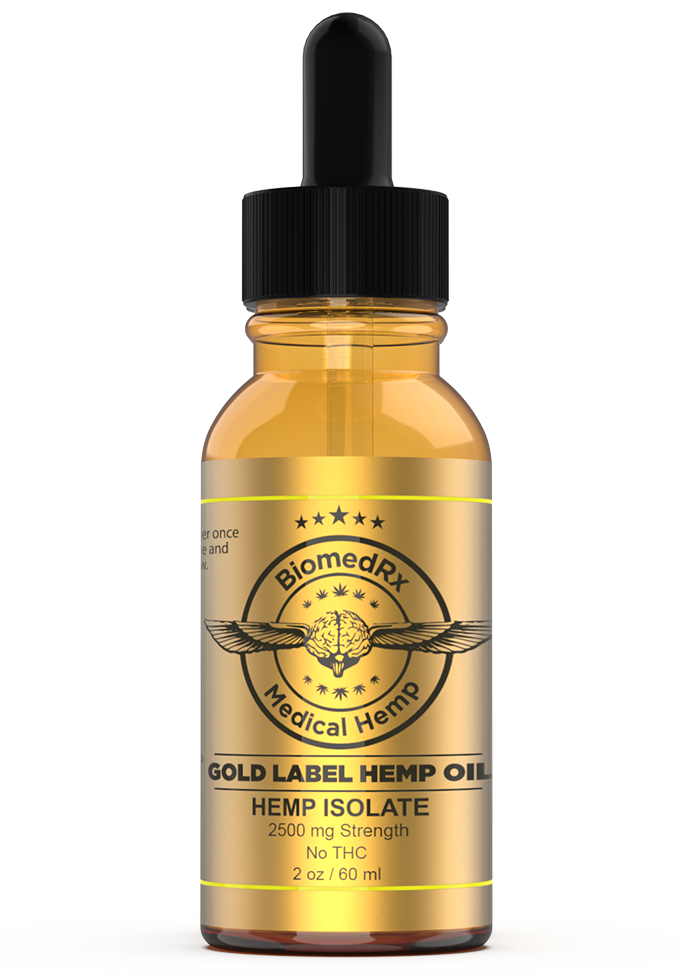
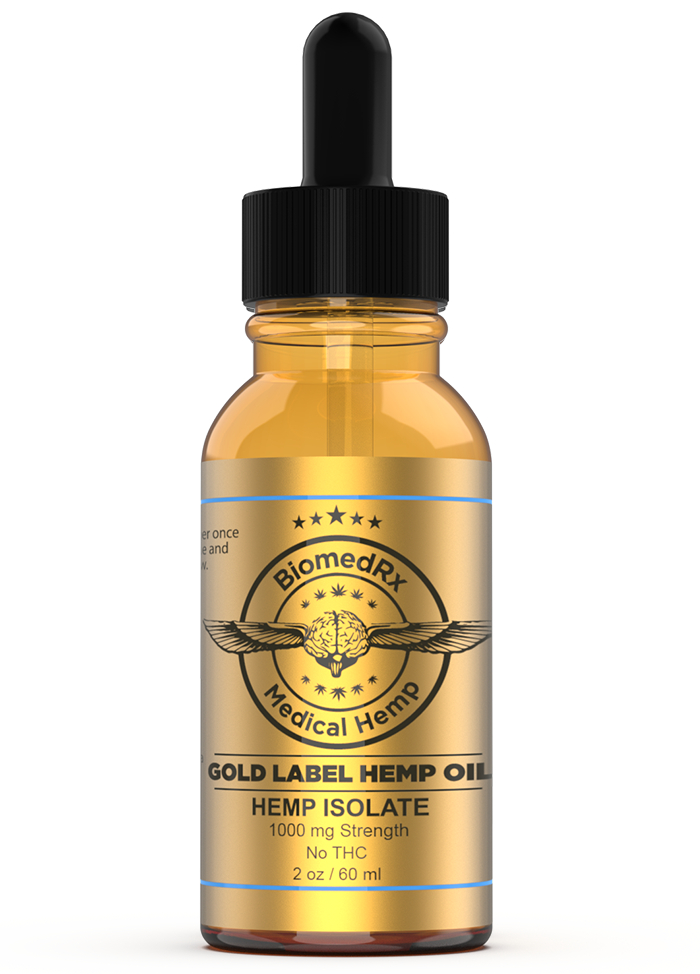
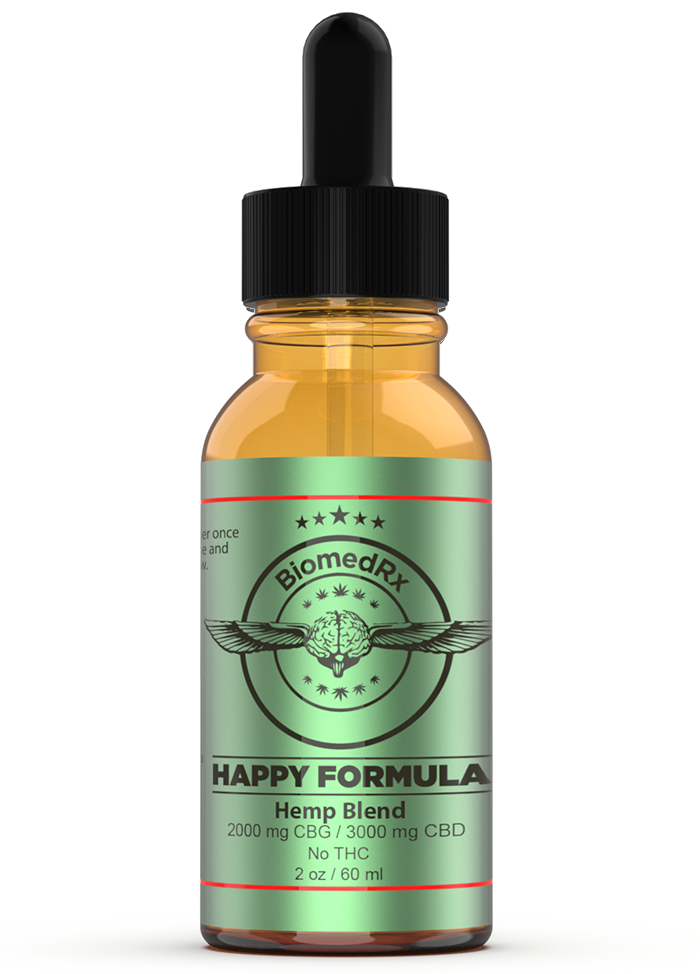
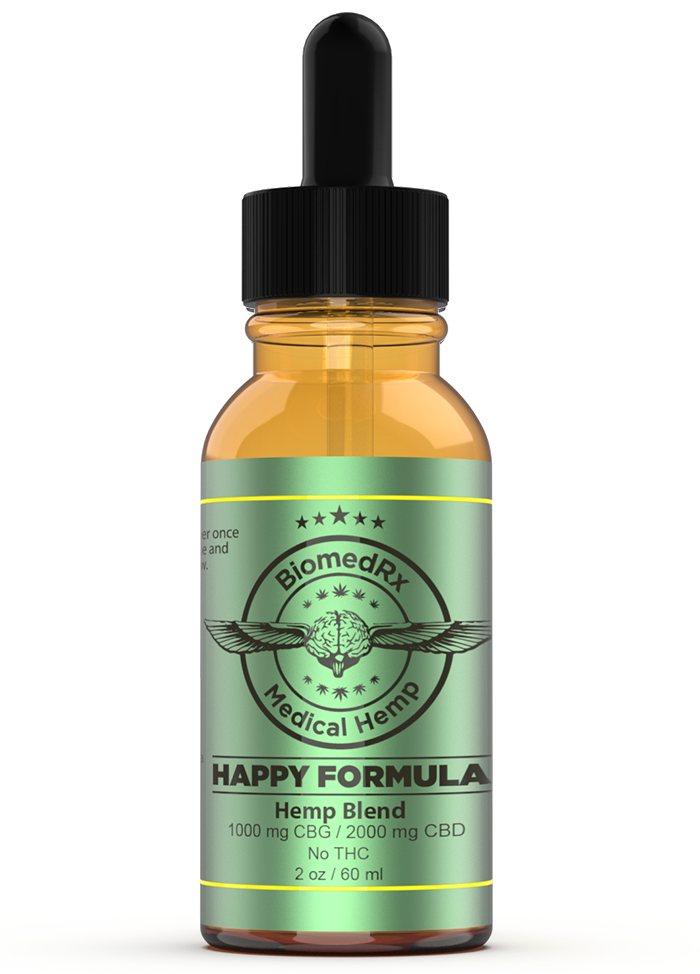
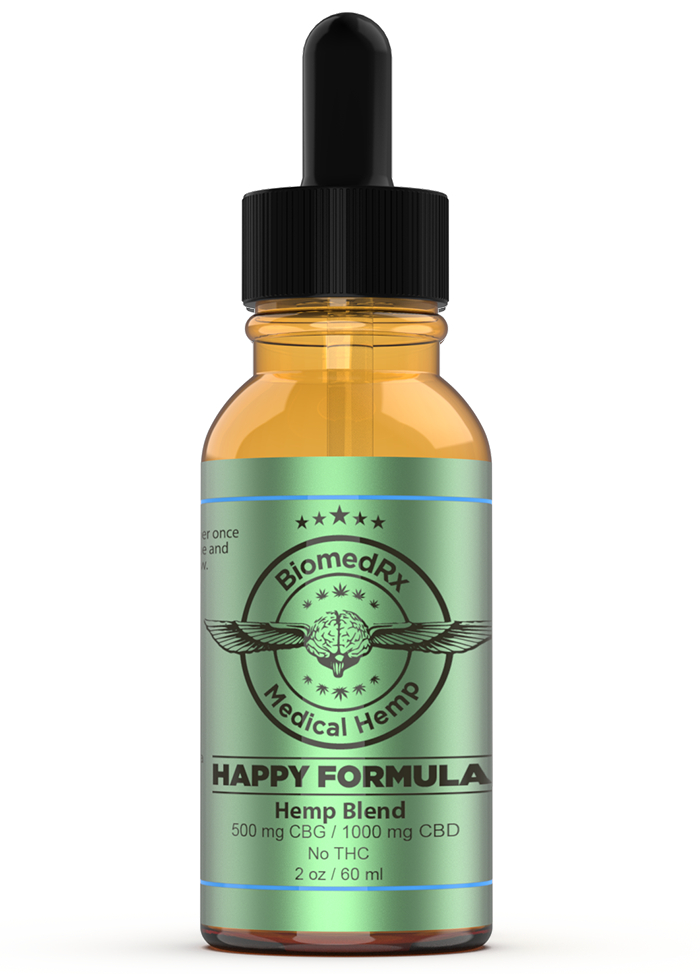
On the label, look past the big number on the front. Check total CBD milligrams in the container and the amount per serving, since a "1000mg" bottle spread across many servings may deliver a modest dose each time. Because the FDA has not set a quality standard for retail CBD and has warned that some products are mislabeled, the front of the package is a starting point, not proof.
The real verification is the certificate of analysis: an independent lab report, tied to your batch number, confirming cannabinoid potency and screening for contaminants. This is educational information, not medical advice — CBD is not FDA-approved to treat, cure, or prevent disease, state laws vary, and anyone with a health condition or on medication should consult a provider first.
Sources: FDA — Regulation of Cannabis and CBD; Congress.gov — Agriculture Improvement Act of 2018